▶ 2026-10-06 [Overseas Activities & Exhibitions] Works to be Acquired by Sapienza University of Rome
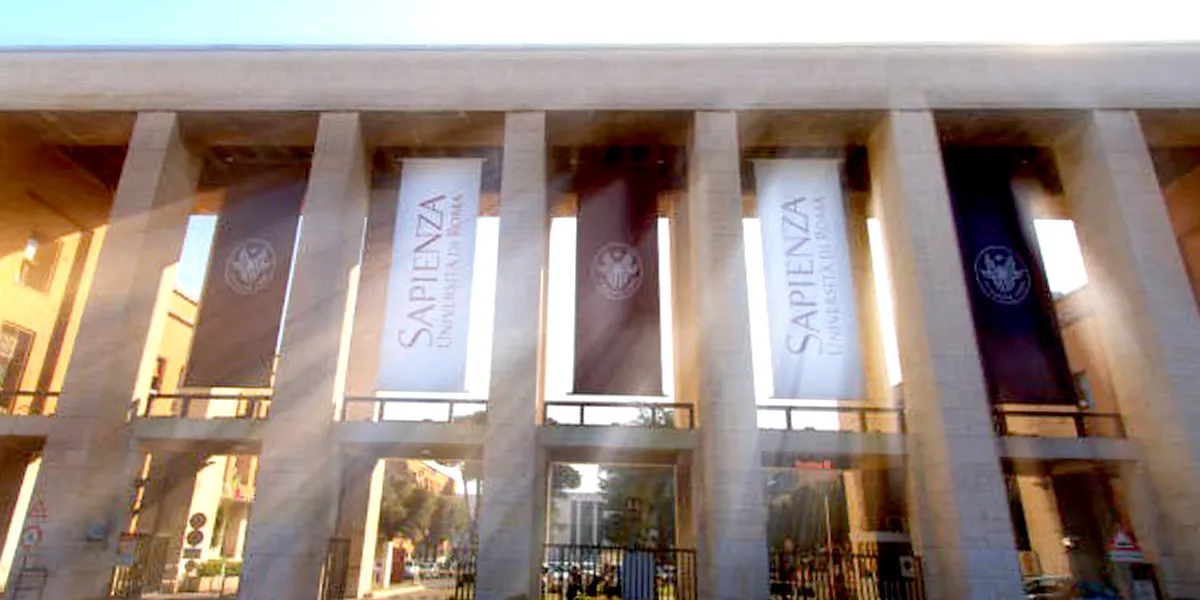
Sū Arakawa’s Ink Wash Paintings to Enter Collection at Sapienza University of Rome
As one of the 11 outstanding artists selected, I hope to create a work that will endure beyond exhibition and remain for future generations.
[Announcement Summary]
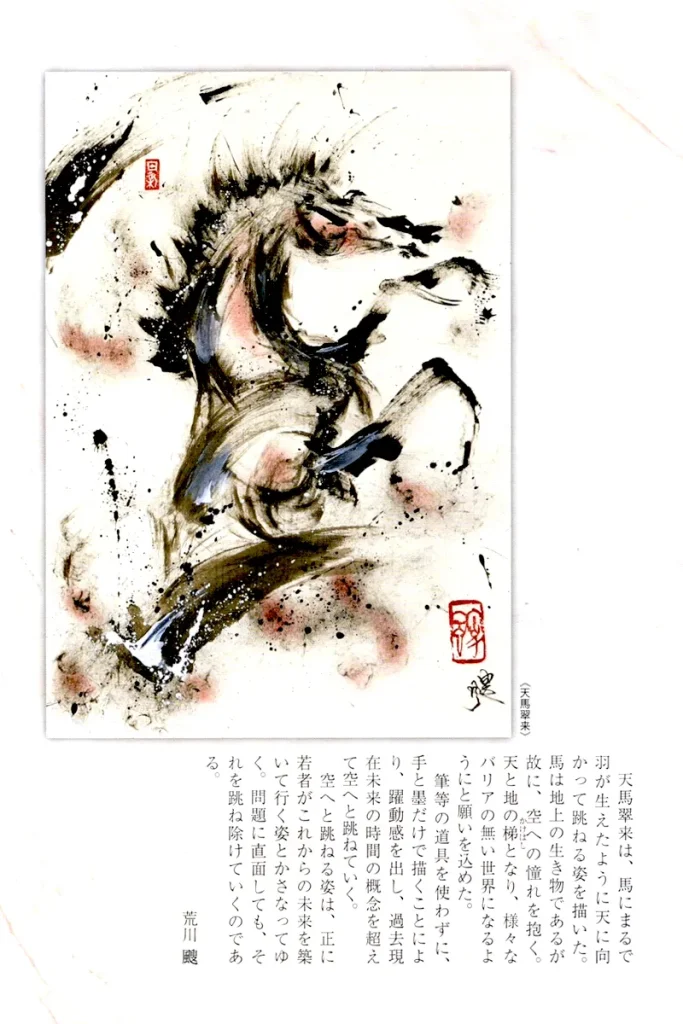
Works by SHU Arakawa—an ink-wash artist who creates art using only his hands and ink, eschewing brushes entirely—have been selected for permanent inclusion in the collection of Sapienza University of Rome in Italy. For this exhibition, the pieces by eleven selected outstanding artists will remain at the university after the exhibition concludes, becoming part of its permanent collection. Unlike the works of other participating artists, which are returned to Japan after the event, these selected pieces will be preserved at the university beyond the exhibition period, carrying the significance of being passed down to future generations.
[From Exhibition to a Lasting Cultural Legacy]
Having a work included in the university’s collection means it will remain in that location, transcending the nature of a temporary exhibition. SHU Arakawa’s ink-wash art will endure within this Italian academic and cultural setting, serving as a new bridge that conveys Japanese artistic expression to the future. The permanent presence of his work in the historic city of Rome is not only a great honor for the artist but also demonstrates the potential for Japanese ink art to be remembered across national borders. We hope that this piece will be cherished for years to come as a work that plays a role in Rome’s cultural legacy.
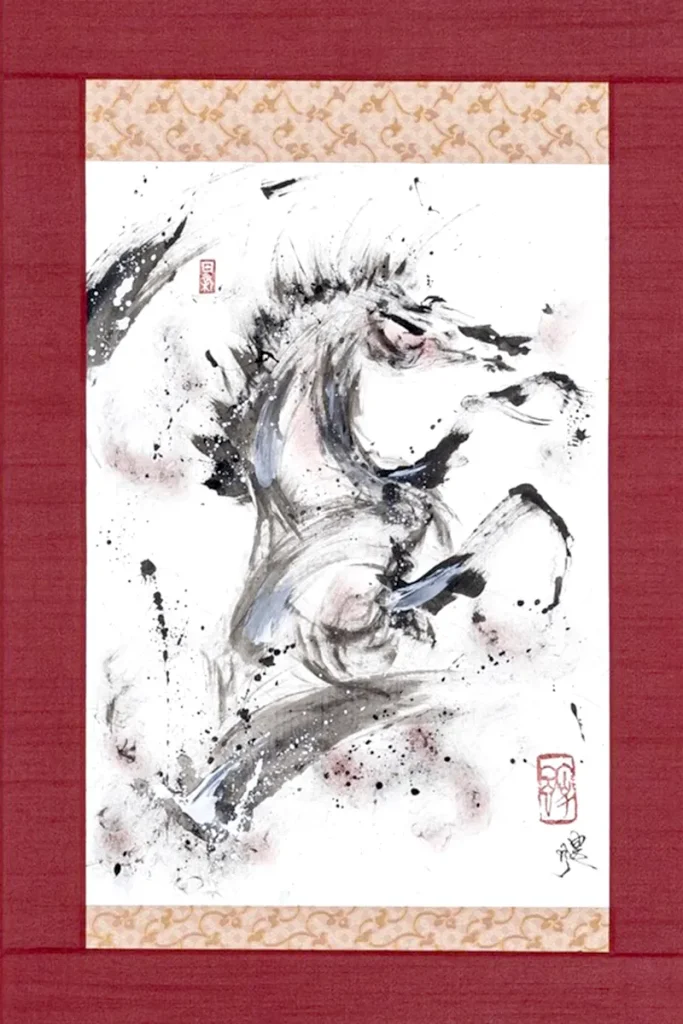
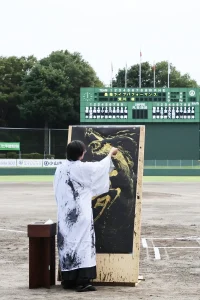
A unique form of expression created solely with hands and ink.
SHU Arakawa’s creative process is distinguished by a unique technique that eschews brushes and drawing tools in favor of directly using his hands and ink. Through the interplay of ink gradations, dynamic lines, splashes, and negative space, he expresses the vitality of life, reverence for nature, and a yearning for peace. By transforming traditional ink media into a form of contemporary physical expression, he appeals to the sensibilities of viewers across linguistic and cultural boundaries.